The Orientalist Font for Romantic Branding
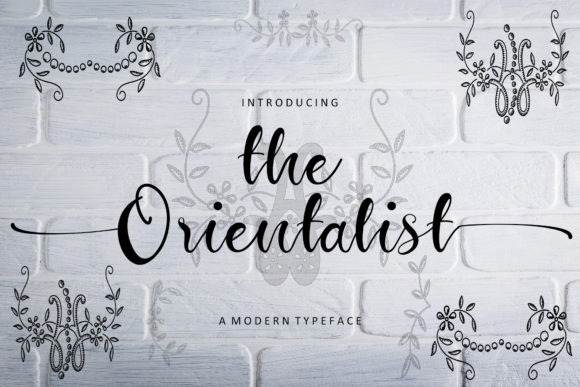
When I opened a fresh artboard for a local boutique’s visual refresh, I knew I needed something that felt personal yet polished. That is when I pulled The Orientalist from my library of Script Handwritten Fonts. It is not just another digital brush script; it is a romantic and sweet calligraphy typeface with characters that dance along the baseline, offering a casual, yet elegant touch that immediately softened the stark white canvas. As a designer who has tested hundreds of typefaces, I look for fonts that do more than just spell out a name—they need to convey a mood. This font does exactly that, bridging the gap between approachable handwriting and high-end editorial design.
Using The Orientalist for Wedding Invitations and Elegant Logos
The primary strength of The Orientalist lies in its ability to handle high-stakes emotional design, particularly in the wedding industry. When I placed it on a mockup for a wedding invitation suite, the result was instantaneous warmth. Unlike rigid serif fonts that can feel cold or overly corporate, this Script Handwritten style invites the reader in. The way the letters connect suggests a human hand was behind the pen, which is crucial for events centered on love and connection. For logo design, especially for bridal boutiques, florists, or event planners, this font serves as a powerful centerpiece. It works beautifully as a standalone mark because the swashes and terminal points are balanced enough to stand alone without needing heavy graphical embellishments. However, it is important to note that while it is elegant, it remains casual. This makes it perfect for modern, bohemian, or rustic-chic weddings rather than ultra-formal, black-tie affairs where traditional copperplate scripts might be preferred.
The Orientalist in Packaging Design and Product Labels
Moving from paper to product, I tested The Orientalist on a series of packaging mockups for a handmade skincare line. In the world of commercial font usage, readability on small labels is often the biggest hurdle for script typefaces. Here, the font’s generous x-height and open counters work in its favor. When scaled down for a jar label or a box seal, the characters remain distinct, though I would advise against using it for ingredient lists or legal text. Instead, it shines as a display font for the brand name or key product descriptors like "Handmade" or "Organic." The casual elegance of the typeface adds perceived value to the product, suggesting care and craftsmanship. For entrepreneurs and small business owners selling on platforms like Etsy or at local markets, using Fonts like this can elevate a simple product into a premium brand asset. It creates a visual hierarchy that draws the eye to the brand name first, establishing recognition before the customer even reads the details.
Web Design Headers and Social Media Graphics with The Orientalist
In digital spaces, The Orientalist transitions from print to screen with surprising grace. I integrated it into a website header for a creative studio’s homepage, pairing it with a clean, geometric sans serif font for the navigation and body copy. This contrast is vital. Because Script Handwritten fonts carry so much visual weight and personality, they need breathing room. On the web, this font performs best in large sizes, such as hero sections or quote graphics. For social media graphics, particularly on Instagram or Pinterest, it is a powerhouse. I created a set of quote templates using the font, and the organic flow of the letters breaks up the grid-like nature of social feeds, stopping the scroll. It is ideal for short phrases, announcements, or highlighting testimonials. However, designers should be cautious about using it for long captions or overlaying it on busy backgrounds. The intricate connections can get lost if the contrast isn't high enough, so always test your color combinations to ensure accessibility and legibility.
Pairing The Orientalist with Modern Typography Systems
No font exists in a vacuum, and successful brand identity relies on cohesive font pairing. Since The Orientalist is a romantic and sweet calligraphy typeface, it demands a partner that grounds it. During my testing, I found that pairing it with a neutral sans serif font created the most professional and modern look. The simplicity of the sans serif allows the decorative elements of the script to shine without competing for attention. Alternatively, pairing it with a classic serif font can evoke a more vintage or literary feel, suitable for book covers or editorial design projects. Avoid pairing it with other handwritten or overly decorative fonts, as this creates visual chaos and reduces professionalism. The goal is balance. By using The Orientalist as an accent font for headlines and logos, and a sturdy, readable typeface for body text, you create a system that is both engaging and functional. This approach ensures that your design assets remain consistent across business cards, flyers, and digital platforms.
Practical Limitations and Licensing Considerations for Designers
While The Orientalist is versatile, it is not a universal solution. As an experienced designer, I must highlight where it falls short. It is not suitable for long body text, small print sizes, or formal corporate documents where clarity and neutrality are paramount. The dancing baseline, while charming, can make alignment tricky in structured layouts like tables or strict grids. Always test the font at the actual size it will be printed or displayed. Before finalizing any client work, ensure you review the commercial font licensing. Whether you are using it for merchandise, print-on-demand products, or webfonts, understanding the license terms protects both you and your client. Most premium fonts offer different licenses for personal versus commercial use, so verify if you need a desktop license, a web license, or an app license. By respecting these boundaries and leveraging the font’s strengths in logos, wedding stationery, and packaging, you can harness the full potential of this elegant Script Handwritten typeface to create memorable and effective brand identities.